Once the work starts, keep what was agreed and what is delivered on the same line: production, events, influencers and the agency’s own time. One shoot or a year of productions worldwide, every cost line keeps its first figure, its versions and its final cost.
What changes
Offers arrive in different formats, change version after version, and meet the final invoice months later. Agency days are consumed out of sight of the plan they were agreed on. AURA keeps every cost line on one grid from the first figure to the last, so the first offer stays as the baseline, every extra carries its reason, and the reconciliation closes on the same lines the bid started on. Marketing keeps the director, the shooting days and the post it chose; procurement gets a comparison it can defend; finance gets a final cost traced to its award.
Every cost line keeps its history, from first offer to final cost.
Comparison
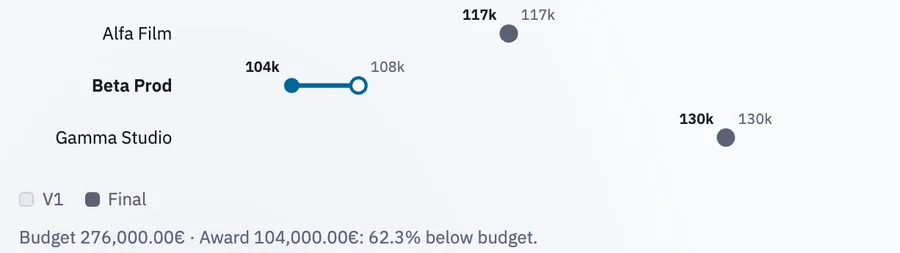
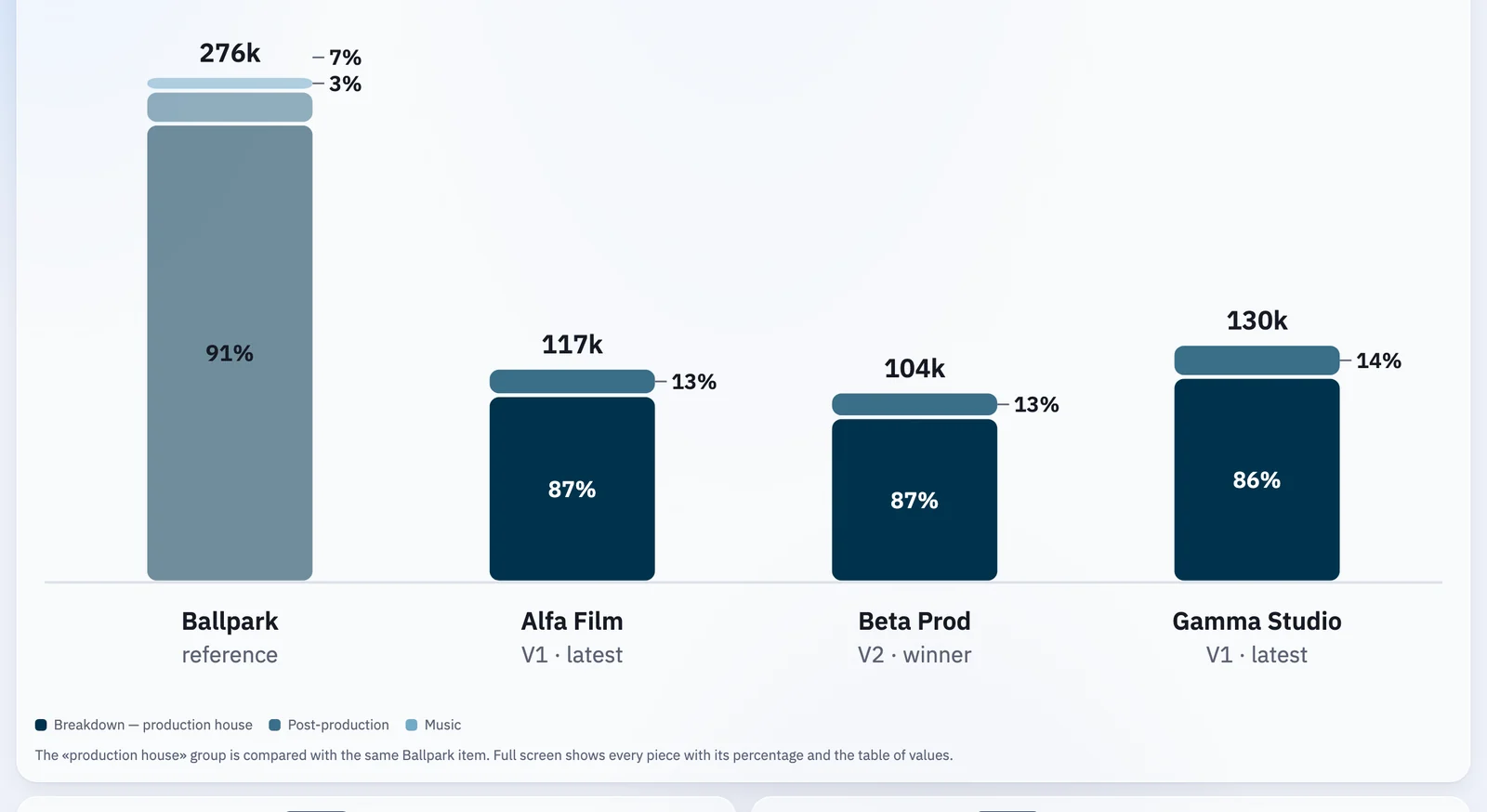
AURA puts production and event bids on one grid (the Ballpark, every offer, every version) line by line. Each house enters its own figures in its own currency; the grid reads them against the Ballpark and against the productions VA has governed since 1994, so the award rests on a comparison, not on a total. Where the same result can be reached another way (stock, CGI, a local service company, shoots grouped in one window) the alternative is visible before the award, with the cost it avoids.
Control
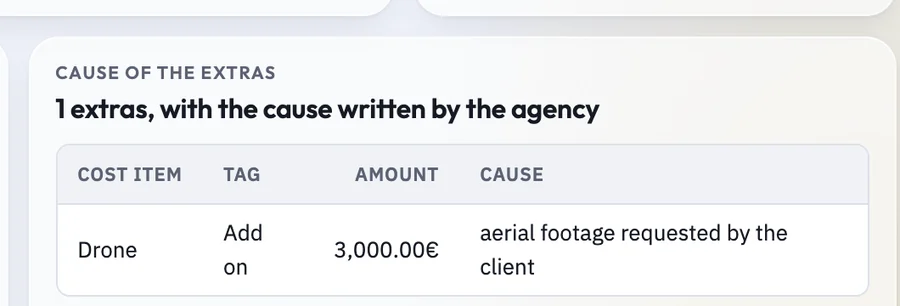
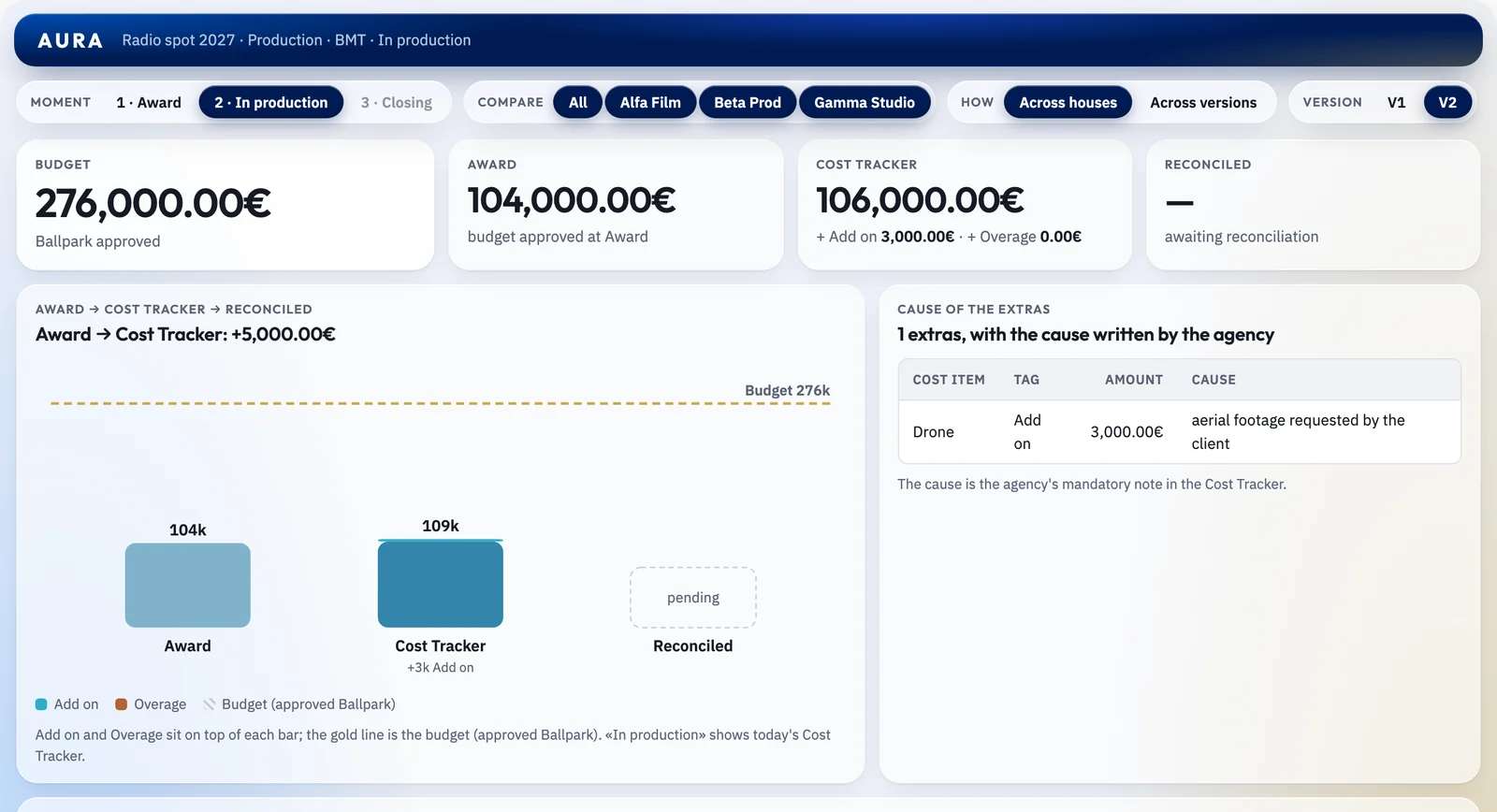
After the award, the winning offer becomes the Final. AURA tracks every line against it: add-ons and overruns carry a tag and wait for approval, with their reason (a change of brief, an addition VA recommended, an extra the house requested) so what is added is never hidden and is subtracted from what was negotiated before anything is declared. The reconciliation closes on the same grid the bid started on, and invoices above the approved figure are caught before they are paid.
Delivery
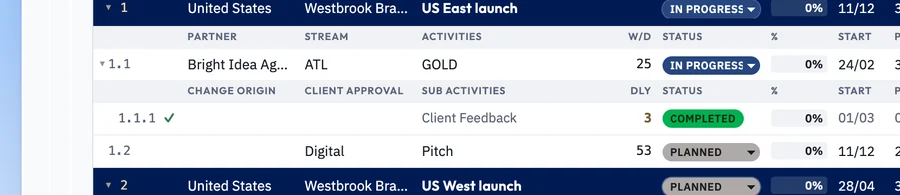
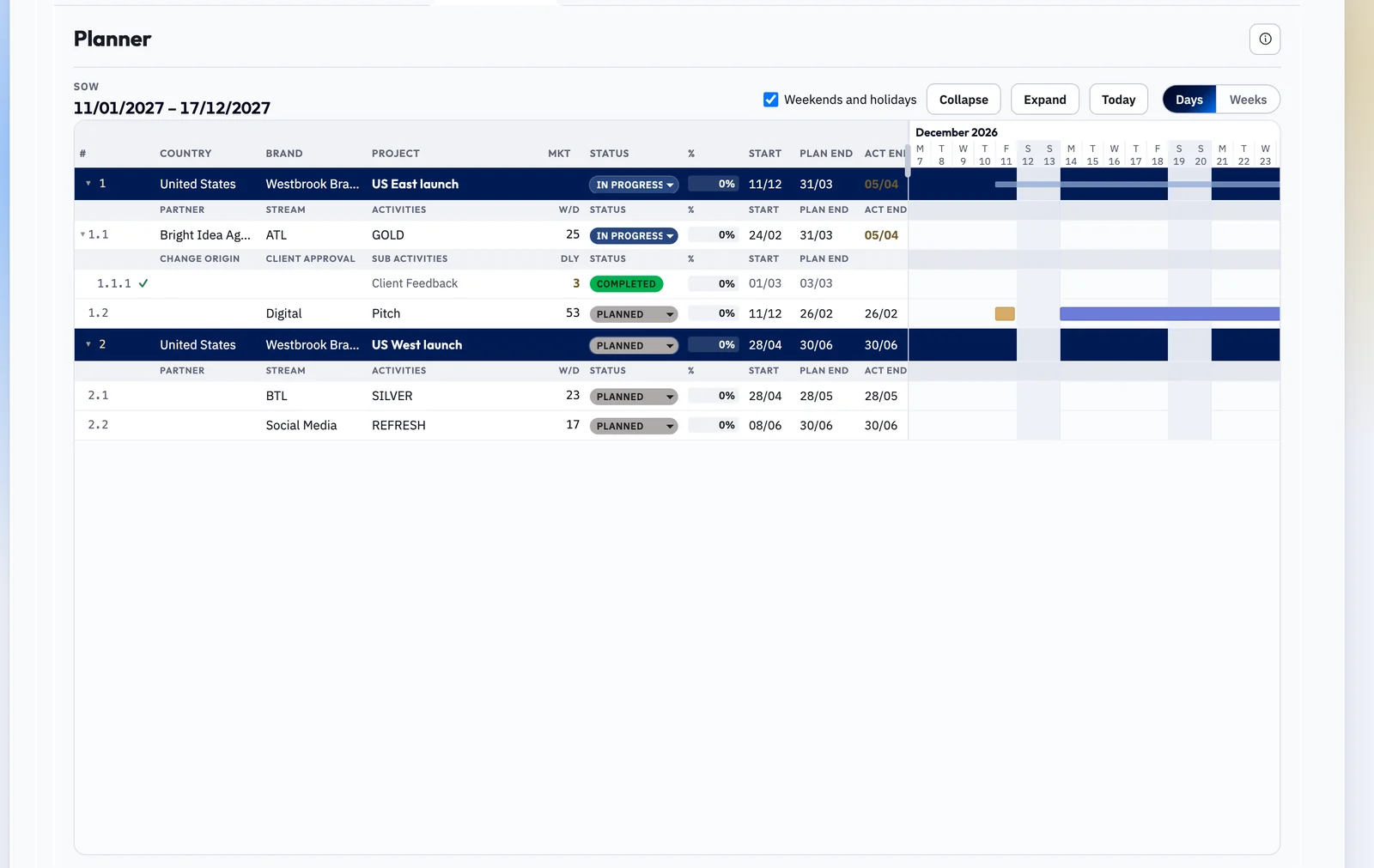
AURA holds the rollout plan with its projects, dates and overlaps, and reads the agency’s days as they are consumed, project by project, against the budget agreed in the pitch. Overlaps show before they cost; rounds of revision and rework show as time, in days, not as a surprise in the fee; and a plan for one market reads the same way as a plan for thirty.
Rate check
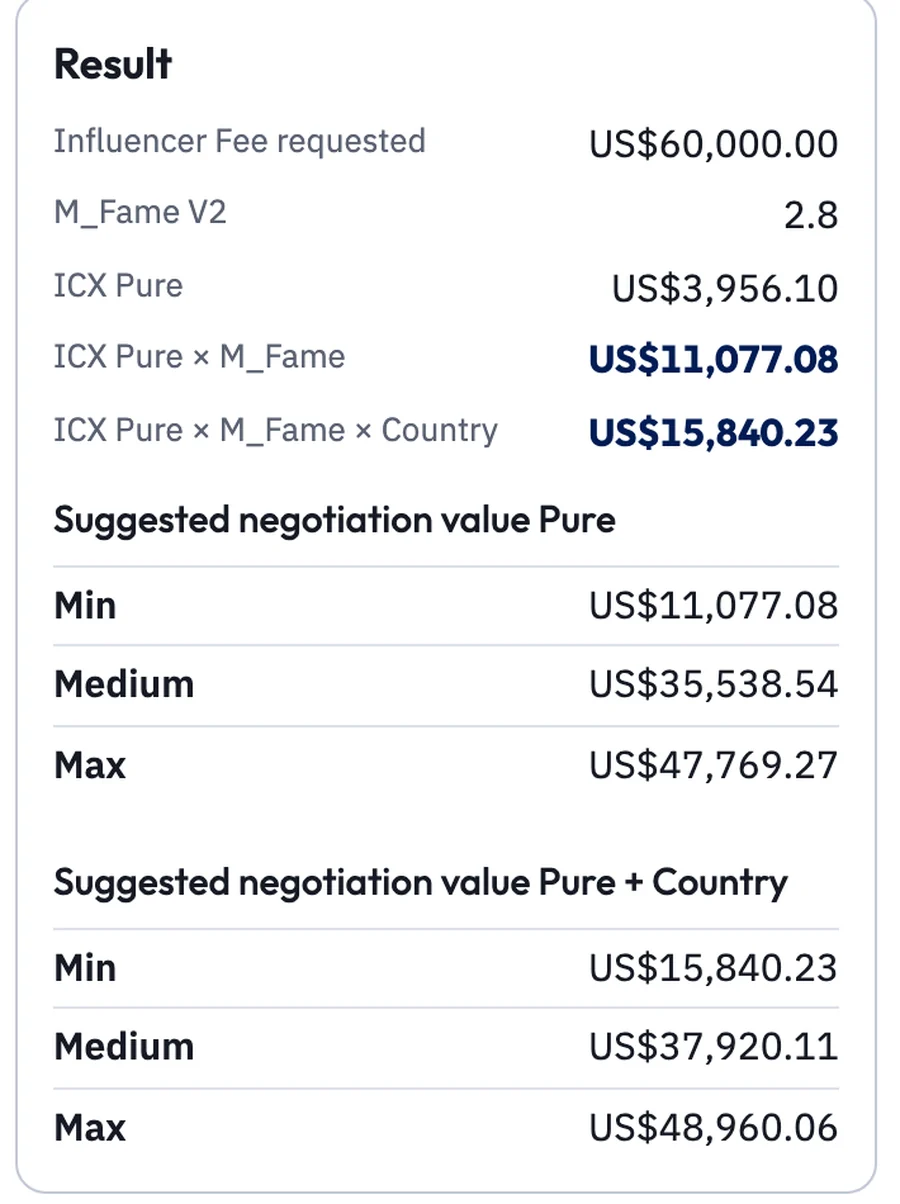
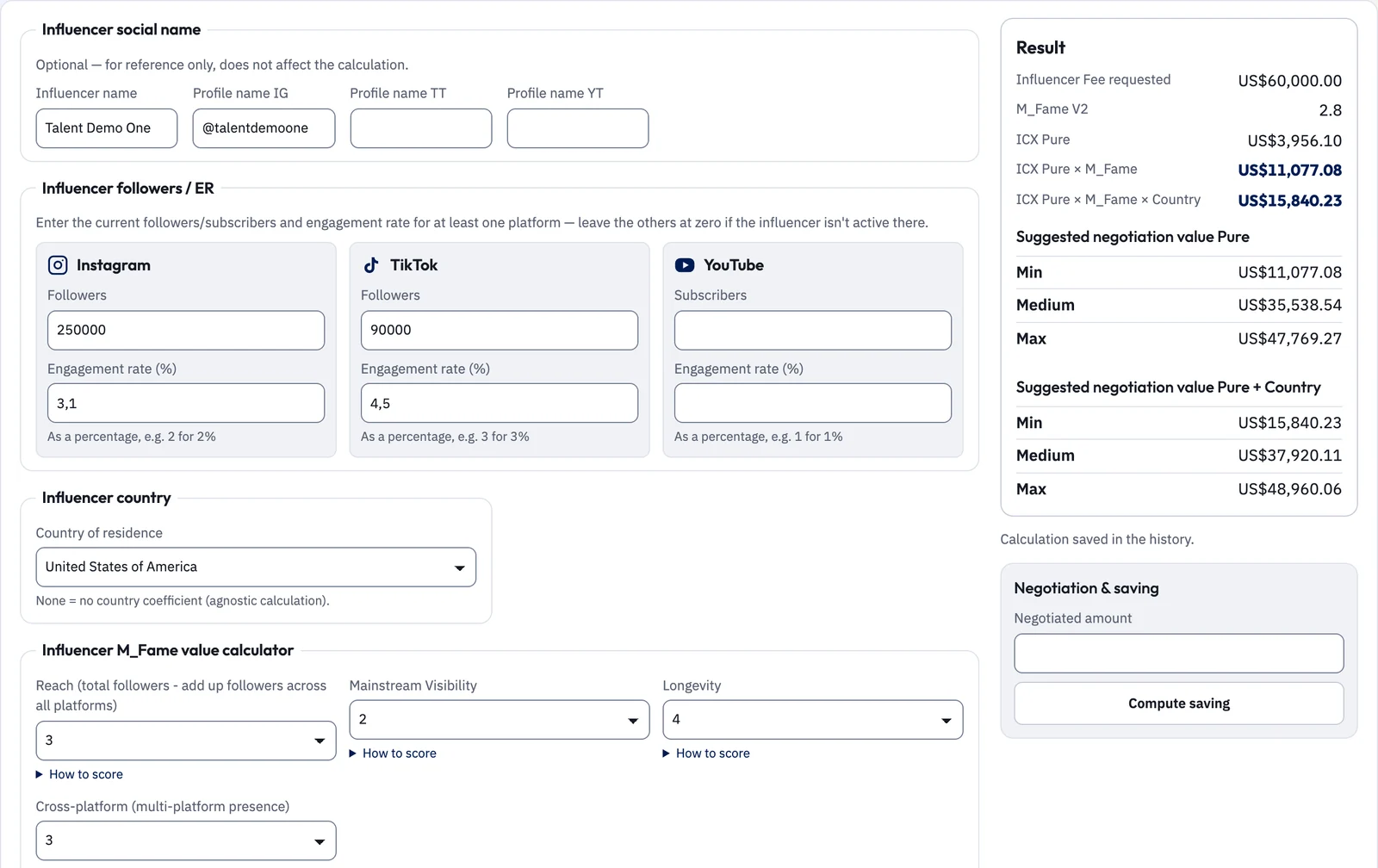
AURA reads the reach, the engagement and the standing of each creator, platform by platform, and returns a suggested fee range for the package requested: a documented reference before the negotiation, not a guess. The requested fee is read against that range, in the currency of the deal, for one creator in one market or a programme across regions.
Behind every function
Behind each comparison in AURA is what VA has overseen since 1994: productions, events, influencer programmes and agency plans across every stage, worldwide, for a single shoot as for a global rollout. The reference a client reads on screen carries that history with it, and VA’s fee is never a share of the value recorded.
of marketing spend reviewed
projects reviewed
suppliers assessed and classified
pitches managed every year
Who does what
Where it sits
Choose who works with you, and on what terms.
Keep what was agreed and what is delivered on the same line.
Close the year with figures everyone reads the same way.
Questions
No. Each house sees only its own submissions and the documents shared with it.
It enters a new version on the lines that changed. The first version stays as submitted, and every later change carries a date and an author.
Yes. Each line keeps its quoting currency, and the totals arrive in one output currency.
Yes. The grid reads one shoot as it reads a year of productions; the first engagement becomes the baseline for the next.
Yes. A film shoot and an event follow the same sequence, each with its own cost template.
Yes. Start with the need that matters today; the other stages are already in AURA and can be switched on when you need them.
Get a demo
A walk through Execution Oversight in AURA with the VA team, on your own case: one brand in one market, or a global portfolio.